Yesterday was election Day in British Columbia.
There was a huge turnout here in Nelson because it was a hotly contested mayoral race. (Nearly 60% turnout of eligible voters in a town of 10,000)
It was really busy when I went to the polling station.
I saw many Mountain Baby customers there with their little ones, and I just couldn’t help telling them what great role models they are for their kids.
I believe that voting is an important part of living in a democratic society.
Although there is much cynicism these days about voting, it’s important that we speak up, even if we don’t always get our way.
Seeing kids and their parents at the polls got me thinking about parenting.
What form of “government” do you have in your family?
Do you have a rigid dictatorship? chaotic anarchy? or a democracy? and what works best for your kids?
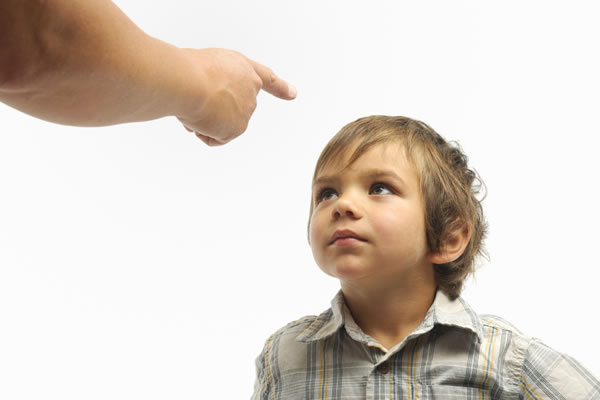
Some of us were raised in “Dictatorships”… What our parents said was law and no questions asked. Failure to obey was punished and our opinions counted for little.
We were definitely not taught to think for ourselves. And even though we were told “it’s for your own good”, it often didn’t feel like that. Many countries and many families in the world are run like this.
Some of us were raised in “Anarchies”… No rules, no expectations, anything goes, do whatever. (Anarchy is a state of disorder due to absence or nonrecognition of authority).
There were no consequences for anything we did. We could do whatever we wanted and no one minded….except for the occasional frightening explosion from our parents when we got to be “too much”. It was hard to know whether they really cared about us or not.
And some of us were raised in “Democracies”. We were allowed to speak up and say what we thought or felt, and we were expected to respect each other and acknowledge everyone’s rights.
There were some basic guidelines, “laws” and expectations for behaviour. We also understood that our parents were the “leaders” and needed to be listened to, even though we might not agree (and strongly objected!) sometimes. We knew they had our best interests at heart.
In parenting research, these three “political” styles of parenting I’ve described have names.
Dictatorship is called “Authoritarian”, Anarchy is called “Permissive”, Democratic is called Authoritative.
Much research has been done on the consequences of these three styles.
One of the most interesting studies I ever read was conducted in Germany.
The researcher was interested in what factors determined whether people would go along with the Nazi dictatorship or would resist in some way. He was not a psychologist – he was a historian.
Much to his amazement, he found that the overriding factor in people’s obedience to , or resistance to the dictatorship, was their child rearing.
Almost everyone who resisted the Nazi dictatorship had been raised in families where children’s voices and opinions were heard and valued.
They were encouraged to think for themselves and to speak up. They were not required to have blind obedience. And they were rarely physically punished.
Back to the parenting styles.
It’s always enlightening to think about how we were parented. Especially compared to that historical study.
You can probably guess which kind of parenting provides the best preparation for living in a democracy.
In a democracy we are allowed, and expected to speak up about things that are important to us.
We are encouraged to think for ourselves, and while we have rights as individuals, we also must respect the rights of others, and obey the basic laws of our society.
Knowing that we live in a democratic society, what can you do best prepare our kids to participate and exercise their rights and responsibilities?
If you naturally lean to the “dictatorship” style, find some ways to give your kids more of a voice. Make a point of really listening and let them know their opinion is important.
That doesn’t mean that they always get what they want, but they are allowed to say what they think and feel.
And if you lean to the permissive end, think about establishing some clear guidelines and expectations for behaviour. Your kids will actually appreciate it.
So, does being more democratic with your kids mean they should have the right to vote?
Well, not exactly.
But they do need practice in living in a family where they have the right to voice their opinions and feelings because the more practice they have, the more they’ll be inclined to vote and participate in their community when they are older.
And the more you model involvement, the more apt they are to follow your example.
I know I always go on about how the state of our world depends on how we raise our children.
I go on about it because I know it is really true.
So if you didn’t take the opportunity to vote this time, vote next time.
And bring your kids along!